HALCEDON
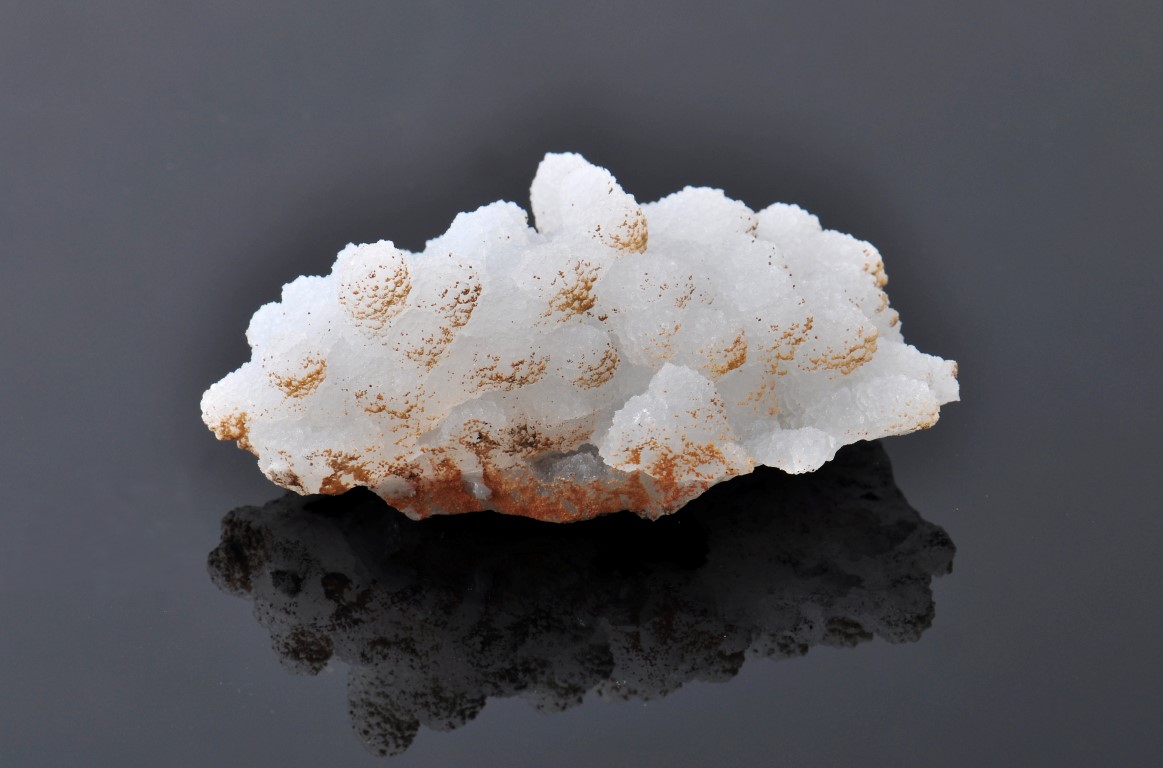
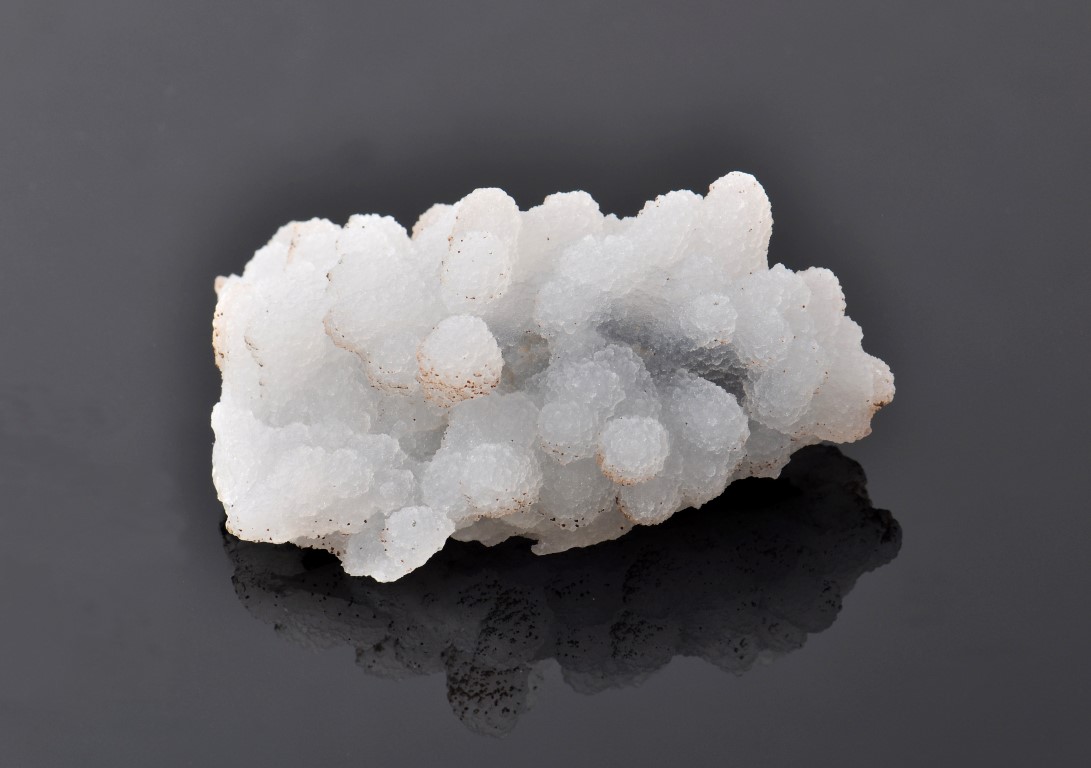
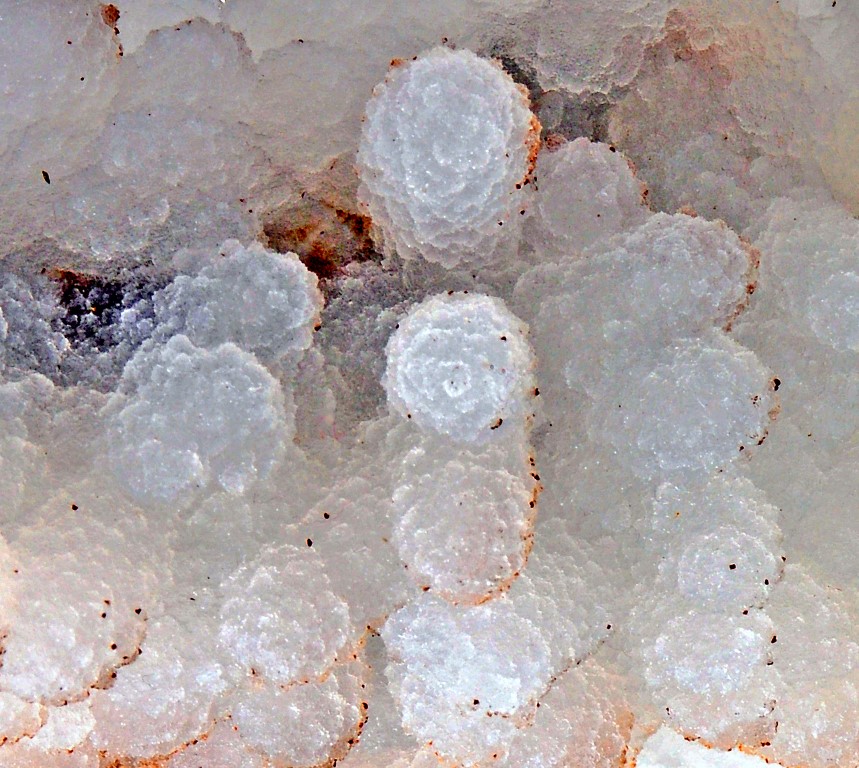
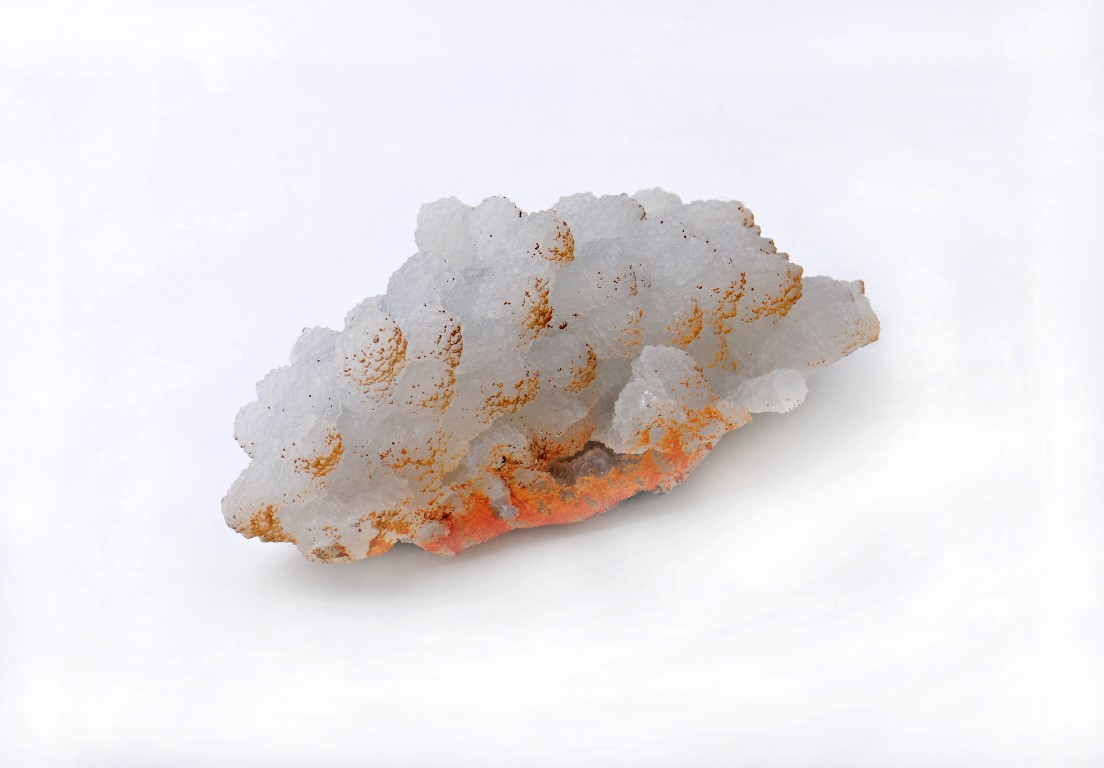
Chalcedone is a microcrystalline (cryptocrystalline) variant of SiO2. It is clearly distinguished under a microscope. It is a fibrous variety of quartz. It consists of thin fibers or forms spherolites or radially radiant aggregates. The halide does not form crystals, but occurs as peel, , striped, leguminous, grape formations, stems.
As impurities there are varying amounts of water, iron, aluminum, magnesium, potassium. It is believed that water is adsorbed and is in the pores.
The different coloration is due to the dispersive oxides of iron-red, orange, manganese-pink, nickel-green. The common chalcedon has a pale gray, milky white, dove, yellowish color.
Hardness is 6, 5-7, Moos
There is uneven lump, no cuddity, waxy glow.
Radiation index 1.530-1.539
Dualom 0.006
There is no dispersion and pleo chrism.
Zodiac: The Chalcedon is one of the minerals assigned to Pisces and the Guardian Stone of the Sagittarius.
Chakra: Throat
Locations: Brazil, Uruguay, India, Madagascar, etc .;
in Bulgaria - Eastern Rhodopes
Traditions: The name probably originates from the ancient city of Chalcedon where the first finds were found. In ancient times, the most preferred gems were cut-
bathtubs of chalcedony, often with figures of gods and signs of celestial and water symbols, because chalcedony was the stone of meteorological time and used against diseases caused by the change of time. Also since then
today he is considered the stone of the speakers. Demosthenes put a chalcedon ball in his mouth as he stood on the shore of the Aegean Sea and practiced to speak clearly and loudly to the sound of the sea.
 dsc_0224ap6.jpg