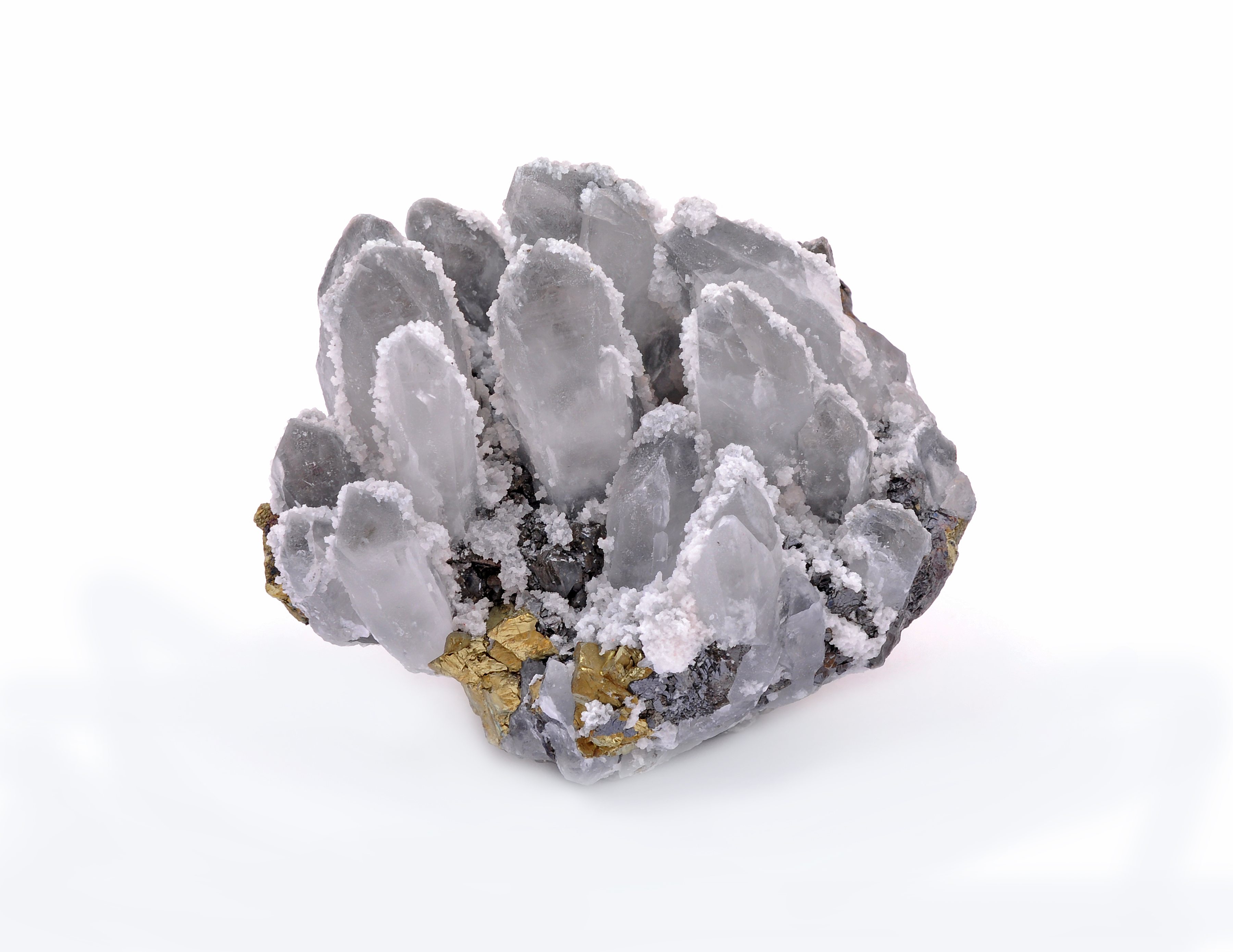
QUARTZ, CHALCOPYRITE ZINC BLEND

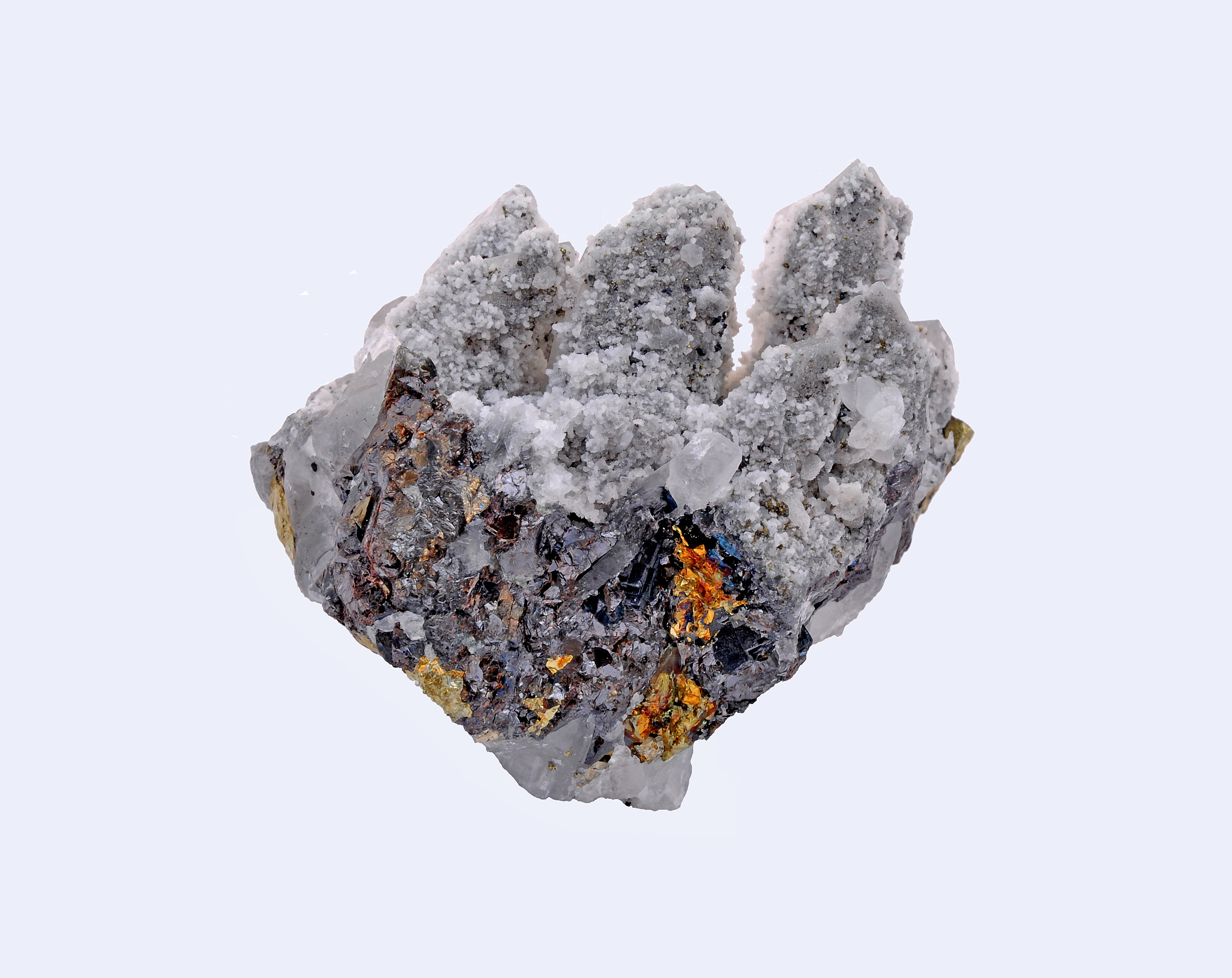
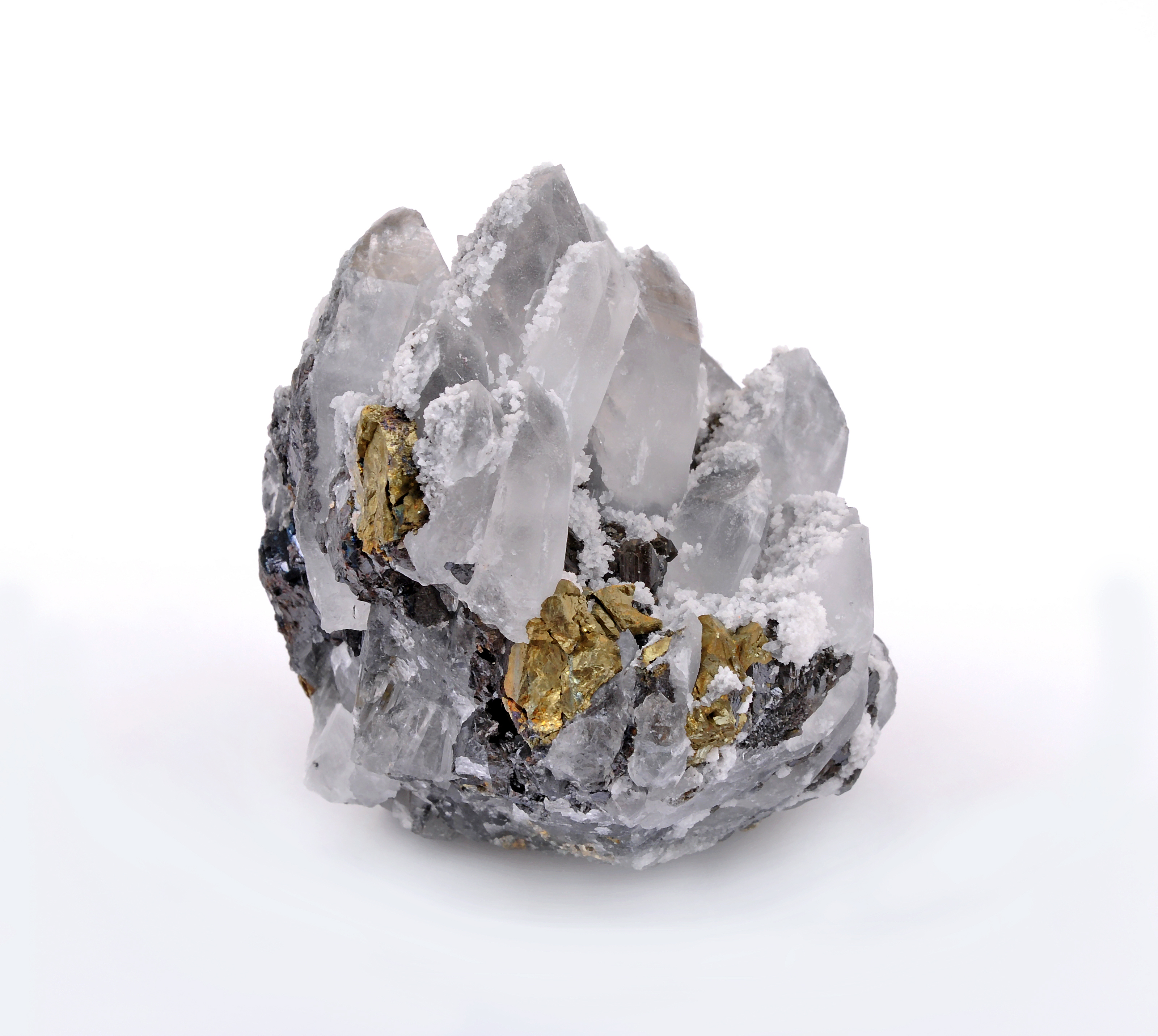
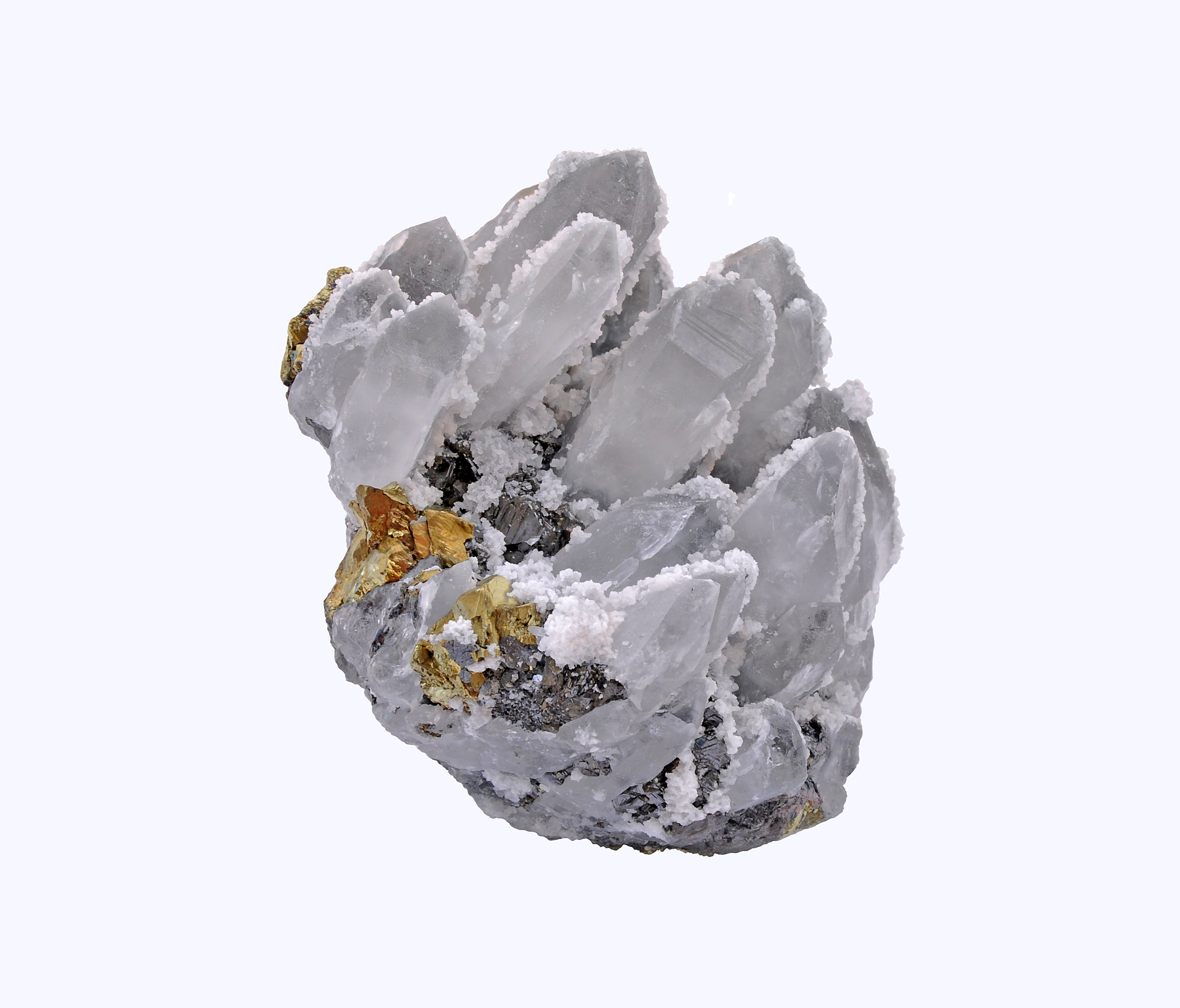
A multicomponent cluster of quartz crystals strewn with microquartz chalcopyrite formations and beautiful sphalerite. Natural formation exceptional as a model and a tool for mineral therapy and meditation.
44,00 €
Product Width :
70.00MM
Product Height :
65.00MM
Product Weight :
356.00G
Product SKU :
1CG0001QSPHCHPY
Description
Quartz is one of nature's most abundant silicate minerals. It is 12% of the lithosphere. Silicon ranks second after oxygen, which forms the earth's crust. It is a part of silicate minerals along with oxygen. It forms silicon-oxygen tetrahedra (SiO4) 4- which like polymers, they can bond differently to each other.
The quartz group includes varieties with the same and simple composition - SiO2. There are polymorphic varieties of quartz, which are of the same composition but formed at different temperatures and pressures, with different properties - quartz, tridymite, cristobalite, cohesite, and stichite. , cryptocrystalline (microcrystalline) aggregate crystals, or colomorphic.
Chalcopyrite is a complex sulfide of copper and iron. The coloration of the minerals is greenish-yellow, brass-yellow, pale yellow. Minerals with a mottled blue color are also found. The shine is metallic. Chalcopyrite is found in almost every country in the world. Since the time of Agricola, the name "copper pyrite" has been attached to the mineral.
Sphalerite is zinc sulfide and is best known in the mineral world as the main zinc ore. When the iron content is high, the sphalerite is opaque, black. Rare semi-precious stone crystals have very low iron content and considerable transparency. They are usually yellowish to copper brown, red to orange, or green.